What is dictatorship and how does it cause harm?

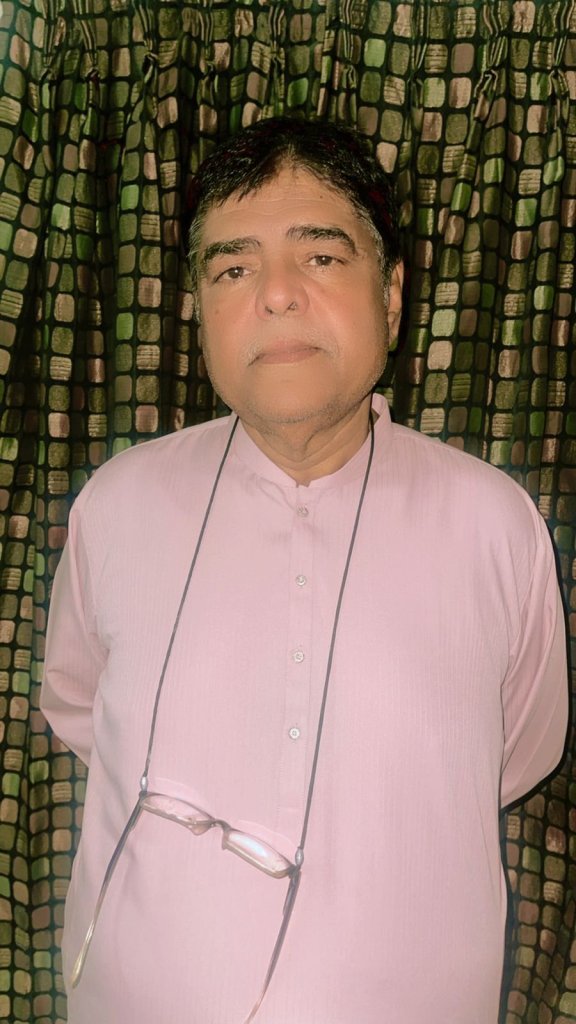
By: Masood Hussain Jaffri

Dictatorship is a form of governance characterized by centralized power, where a single individual or a small group holds absolute authority without the consent or input of the governed. This unchecked concentration of power often leads to numerous harmful consequences.

Firstly, under a dictatorship, fundamental human rights and civil liberties are often violated as the ruling entity suppresses dissent, curtails freedom of speech, restricts press freedom, and suppresses political opposition. This not only infringes upon the inherent rights of individuals but also stifles the growth of a pluralistic society.

Secondly, dictatorships can breed corruption and nepotism. Without proper checks and balances, those in power can exploit their authority for personal gain, leading to unjust accumulation of wealth and resources. This undermines social and economic equality, perpetuating a system of privilege and marginalization.

Moreover, dictatorships tend to disregard the rule of law, as the ruling entity manipulates or controls the judiciary to suit their interests. This erodes public trust in the legal system, undermines the concept of justice, and allows for the arbitrary exercise of power.

Furthermore, dictatorships often neglect the socio-economic welfare of the population. With limited accountability and transparency, leaders in such systems can prioritize their own interests over the needs of the people, resulting in mismanagement, economic stagnation, and a lack of social progress.

Lastly, the absence of peaceful political transitions exacerbates the harm caused by dictatorships. By preventing fair elections or suppressing alternative voices, the ruling entity denies citizens the ability to participate in shaping their own governance. This perpetuates a cycle of oppression, stifles democratic development, and denies the population the right to choose their leaders freely.

In conclusion, dictatorship poses significant harm to society, violating fundamental rights, fostering corruption, undermining the rule of law, neglecting socio-economic development, and impeding democratic progress. It is imperative to recognize and work towards promoting democratic principles and institutions that safeguard individual freedoms and collective well-being.

شیعہ سنی مل کر دہشتگردوں کی ہر سازش کو ناکام بنائیں گے ڈاکٹر سلیم حیدر (چیئرمین مہاجر اتحاد تحریک)

ڈاکٹر سلیم حیدر

شیعہ سنی مل کر دہشتگردوں کی ہر سازش کو ناکام بنائیں گے:ڈاکٹرسلیم حیدر
اسلام دشمن ملک کو نقصان پہنچانا چاہتے ہیں،سانحہ کربلا باطل قوتوں کے آگے نہ جھکنے کا درس دیتا ہے
شیعہ اور سنی آپس میں رواداری، محبت کا مظاہرہ کرتے ہوئے دشمنوں کی ہر سازش ناکام بنادیں

بکراچی(آئ۔این۔این+پریس ریلیز)مہاجر اتحاد تحریک کے چیئرمین ڈاکٹر سلیم حیدر نے کہا ہے کہ شیعہ سنی اتحاد وقت کی ضرورت ہے ۔ محرم الحرام میں امن وامان برقرار رکھنے کیلئے شیعہ اور سنیوں کو رواداری ، محبت اور بھائی چارے کا عملی مظاہرہ کرنا ہوگا ۔ برسہا بر سے اسلام دشمن اور ملک دشمن قوتیں شیعہ سنیوں کو لڑوا کر پاکستان کو غیر مستحکم کرنا چاہتی ہیں لیکن روز اول سے شیعہ اور سنیوں کے درمیان کوئی اختلاف نہیں ہے اور یہ دونوں فرقے باہمی محبت کے ساتھ رہتے ہیں۔ انہوں نے کہاکہ محرم الحرام کے ان ایام میں ایک دوسرے کو برداشت کرنے کے علاوہ یہ کوشش کی جانی چاہئے کہ کوئی ایسا عمل نہ کریں جس سے کسی کی بھی دل آزاری ہو اور چھوٹی سی چنگاری شعلے کی شکل اختیار کرے۔ انہوں نے کہاکہ کئی سالوں سے اسلام دشمن عناصر شیعہ اور سنیوں کو لڑوا کر اپنے مذموم مقاصد حاصل کرنا چاہتے ہیں جن کا نہ تو کوئی مذہب سے تعلق ہے اور نہ ہی وہ انسان کہلانے کے لائق ہیں۔ انہوں نے کہاکہ اب وقت آگیا ہے کہ باہمی اختلافات بھلا کر ایک دوسرے کے ساتھ اچھا رویہ اور برتاؤ اختیار کیا جائے جس سے ملک دشمن عناصر کی حوصلہ شکنی ہو کیونکہ حضرت امام حسین  نے جس طرح کربلا میں باطل قوتوں کے سامنے جھکنے سے انکار کیا اور جانوں کے نذرانے پیش کئے اس سے ہمیں یہ درس ملتا ہے کہ باطل قوتوں کو مٹ جانا ہے ، ہمیشہ حق اور سچ ہی غالب رہے گا۔ اس لئے خاص طورپر مہاجروں کو سیسہ پلائی دیوار بننا ہوگا۔

جناب بی بی زینب سلام اللہ علیہا کے حرم ہر حملے کی شدید مذمت کرتے ہیں ڈاکٹر سلیم حیدر

کراچی(پ ر) مہاجر اتحاد تحریک اور مہاجر

صوبہ ہماری منزل تحریک کے بانی و چیئرمین ڈاکٹر سلیم حیدر نے نے دمشق شام میں بی بی زینب کے حرم کے قریب بم دھماکوں پر انتہائی افسوس کا اظہار کیا ہے۔ انہوں نے بم دھماکوں میں شہید ہونے والے افراد کے بلند درجات اور زخمیوں کی جلد صحتیابی کیلئے دعا بھی کی۔ ڈاکٹر سلیم حیدر نے کہا ںشیعہ سنی اتحاد وقت کی اہم ضرورت ہے۔ محرم الحرام میں امن وامان برقرار رکھنے کیلئے اہل تشیع عوام، اکابرین، علماء کرام اور اہل سنت اکابرین، علماء کرام اور اہل سنت عوام نے رواداری، محبت اور بھائی چارے کا عملی مظاہرہ کرتے ہوئے ایک اہم مذہبی فریضے کی بخیر و عافیت انجام دہی میں اپنا اپنا کردار بخیر و خوبی نبھایا۔ ڈاکٹر سلیم حیدر نے کہا کہ برسہا برس سے اسلام دشمن اور ملک دشمن قوتیں شیعہ سنیوں کو آپس میں لڑوا کر پاکستان کو غیر مستحکم کرناچاہتی ہیں لیکن سب جانتے اور مانتے ہیں کہ روز اول سے شیعہ اور سنیوں کے درمیان کوئی اختلاف نہیں ہے اور یہ دونوں باہمی محبت و احترام کے ساتھ مل جل کر رہتے ہیں۔ انہوں نے کہا کہ محرم الحرام کے ایام کے علاؤہ بھی ایک دوسرے کو برداشت کرنے کی کوشش کی جانی چاہئے۔ مہاجر صوبہ ہماری منزل تحریک کے بانی و چیئرمین نے کہا کہ شیعہ اور سنی حضرات کبھی بھی کوئی ایسا عمل نہ کریں جس سے کسی کی دل آزاری ہو اور چھوٹی سی چنگاری کو ملک دشمن قوتیں ہوا دے کر شعلے میں تبدیل کردیں۔ انہوں نے کہاکہ کئی سالوں سے اسلام دشمن عناصر شیعہ اور سنیوں کو لڑوا کر اپنے مذموم مقاصد حاصل کرنا چاہتے ہیں جن کا نہ تو کسی مذہب سے تعلق ہے اور نہ ہی وہ انسان کہلانے کے لائق ہیں۔ انہوں نے کہا کہ اب وقت آگیا ہے کہ باہمی اختلافات بھلا کر ایک دوسرے کے ساتھ اچھا رویہ اور برتاؤ اختیار کیا جائے جس سے مہاجر صوبہ ہماری منزل تحریک کامیابی سے ہمکنار ہوسکے اور ملک دشمن عناصر کی حوصلہ شکنی ہوسکے۔ ڈاکٹر سلیم حیدر نے کہا کہ حضرت امام حسین نے جس طرح کربلا میں باطل قوتوں کے سامنے جھکنے سے انکار کیا اور جانوں کے نذرانے پیش کئے اس سے ہمیں یہ درس ملتا ہے کہ باطل قوتوں کو مٹ جانا ہے، ہمیشہ حق اور سچ ہی غالب رہے گا۔ اس لئے خاص طور پر اپنے جائز حقوق کے لیے مہاجروں کو سیسہ پلائی دیوار 

بننا ہوگا۔

نگران حکومت کی زمہ داریاں

کراچی (وائس آف نیشن)

(تحریر ؛ مسعود حسین جعفری 

 نگران حکومت عارضی طور پر اقتدار اور ذمہ داری سنبھالتی ہے جب موجودہ حکومت اپنی مدت پوری کر لیتی ہے یا مخصوص حالات جیسے انتخابات، سیاسی منتقلی، یا ہنگامی حالات کی وجہ سے مؤثر طریقے سے کام کرنے سے قاصر ہوتی ہے۔  اس مدت کے دوران، نگران حکومت استحکام کو یقینی بنانے اور اقتدار کی ہموار منتقلی کو آسان بنانے کے لیے ضروری کام انجام دیتی ہے۔

 نگران حکومت کی بنیادی ذمہ داریاں درج ذیل ہیں:

 1. انتخابات کا انعقاد: نگران حکومت کے اہم کاموں میں سے ایک انتخابی عمل کی غیر جانبداری سے نگرانی کرنا اور آزادانہ اور منصفانہ انتخابات کو یقینی بنانا ہے۔  اسے یقینی بنانا چاہیے کہ تمام ضروری انتظامات موجود ہیں، ووٹر رجسٹریشن درست ہے، اور انتخابی قوانین پر سختی سے عمل کیا جاتا ہے۔  اس ذمہ داری کا مقصد انتخابی عمل کی قانونی حیثیت اور شفافیت کو یقینی بنانا ہے۔

 2. امن و امان برقرار رکھنا: نگران حکومت کا ایک اور اہم فرض ملک کے اندر امن و امان برقرار رکھنا ہے۔  اسے یقینی بنانا چاہیے کہ عوامی تحفظ اور سلامتی کو برقرار رکھا جائے، اور کسی بھی ممکنہ خطرات یا خلل کو مؤثر طریقے سے حل کیا جائے۔  یہ ذمہ داری انتخابی عمل کے لیے سازگار ماحول فراہم کرنے اور شہریوں کے حقوق کے تحفظ کے لیے بہت ضروری ہے۔

 3. حکومتی امور کا نظم و نسق: نگراں حکومت عبوری مرحلے کے دوران ضروری حکومتی امور کے جاری کام کو یقینی بنانے کے لیے عارضی انتظامی اختیارات سنبھالتی ہے۔  اس میں عوامی مالیات کا انتظام، عوامی خدمات، اور یومیہ حکمرانی شامل ہے۔  تاہم، اسے تحمل سے کام لینا چاہیے اور ایسے بڑے پالیسی فیصلے کرنے سے گریز کرنا چاہیے جو مستقبل کی منتخب حکومت کے مینڈیٹ کو متاثر کر سکتے ہیں۔

 4. بغیر کسی رکاوٹ کے منتقلی کی سہولت: ایک نگران حکومت آنے والی حکومت کے لیے سہولت کار کے طور پر کام کرتی ہے، اقتدار کی بغیر کسی رکاوٹ کے منتقلی کو یقینی بناتی ہے۔  یہ آنے والی انتظامیہ کے ساتھ ہم آہنگی کرتا ہے، ضروری معلومات فراہم کرتا ہے، ذمہ داریاں سونپنے میں مدد کرتا ہے، اور قومی اہمیت کے معاملات پر رہنمائی پیش کرتا ہے۔  اس ذمہ داری کا مقصد حکمرانی میں استحکام اور تسلسل کو فروغ دینا ہے۔

 5. ایک عوامی ٹرسٹی کے طور پر کام کرنا: ایک نگراں کے طور پر، حکومت اعتماد کی حیثیت رکھتی ہے اور اسے قوم کے بہترین مفاد میں کام کرنا چاہیے۔  اسے اپنے تمام فیصلوں اور اقدامات میں غیر جانبداری، شفافیت اور جوابدہی کا مظاہرہ کرنا چاہیے۔  یہ ذمہ داری عبوری عمل میں عوام کا اعتماد برقرار رکھنے میں مدد کرتی ہے اور اس بات کو یقینی بناتی ہے کہ نگران حکومت اپنے فرائض دیانتداری کے ساتھ ادا کرے۔

 آخر میں، ایک نگران حکومت اہم ذمہ داریاں سنبھالتی ہے جیسے کہ انتخابات کا انعقاد، امن و امان برقرار رکھنا، حکومتی امور کا نظم و نسق، بغیر کسی رکاوٹ کے منتقلی کی سہولت فراہم کرنا، اور عوامی ٹرسٹی کے طور پر کام کرنا۔  یہ افعال جمہوری اصولوں کو برقرار رکھنے، استحکام کے تحفظ اور کسی قوم کے اندر اقتدار کی ہموار منتقلی کو یقینی بنانے کے لیے اہم ہیں۔

What are the responsibilities of caretaker government?

By: Masood Hussain Jaffri (VON)

A caretaker government assumes power and responsibility temporarily when the incumbent government completes its term or is unable to function effectively due to specific circumstances such as elections, political transitions, or emergency situations. During this period, the caretaker government carries out essential functions to ensure stability and facilitate a smooth transition of power.

The primary responsibilities of a caretaker government are as follows:

1. Conducting Elections: One of the crucial tasks of a caretaker government is to oversee the electoral process impartially and ensure free and fair elections. It must ensure that all necessary arrangements are in place, voter registration is accurate, and electoral laws are strictly followed. This responsibility aims to guarantee the legitimacy and transparency of the electoral process.

2. Maintaining Law and Order: Another critical duty of a caretaker government is to maintain law and order within the country. It must ensure that public safety and security are upheld, and any potential threats or disturbances are effectively addressed. This responsibility is vital to provide a conducive environment for the electoral process and safeguard the rights of citizens.

3. Administering Government Affairs: The caretaker government assumes temporary administrative powers to ensure the continued functioning of essential government affairs during the transitional phase. This includes managing public finances, public services, and day-to-day governance. However, it should exercise restraint and refrain from making major policy decisions that could encroach upon the mandate of the future elected government.

4. Facilitating a Seamless Transition: A caretaker government acts as a facilitator for the incoming government, ensuring a seamless transition of power. It coordinates with the incoming administration, provides necessary information, assists in handing over responsibilities, and offers guidance on matters of national importance. This responsibility aims to promote stability and continuity in governance.

5. Acting as a Public Trustee: As a caretaker, the government holds a position of trust and must act in the best interests of the nation. It should demonstrate impartiality, transparency, and accountability in all its decisions and actions. This responsibility helps maintain public confidence in the transitional process and ensures that the caretaker government fulfills its duties with integrity.

In conclusion, a caretaker government assumes crucial responsibilities such as conducting elections, maintaining law and order, administering government affairs, facilitating a seamless transition, and acting as a public trustee. These functions are vital in upholding democratic principles, preserving stability, and ensuring a smooth transfer of power within a nation.

Karbala incident

By: Masood Hussain Jaffri

The Karbala incident, also known as the Battle of Karbala, was a tragic event that occurred in 680 AD. It was primarily a result of religious and political tensions during that time. The main reasons for the Karbala incident include:

1. Succession dispute: The incident arose from a dispute over who would succeed as the leader of the Muslim community after the death of the previous caliph. This led to a split among Muslims, with some supporting the Umayyad caliphate and others supporting Imam Hussein, who was the grandson of Prophet Muhammad.

2. Political power struggle: The Umayyad caliphate, led by Yazid I, sought to maintain its authority and control over the Muslim community. Imam Hussein refused to pledge allegiance to Yazid, viewing him as a tyrant and illegitimate ruler. This created a political power struggle that ultimately escalated into violence.

3. Religious differences: The incident also involved religious differences between Sunni and Shia Muslims. Imam Hussein, as a central figure in Shia Islam, was seen as a symbol of resistance against what he viewed as an oppressive regime. This religious divide further fueled the conflict.

4. Battle in Karbala: Imam Hussein and his followers were confronted by a large army sent by Yazid I in the city of Karbala. Despite being heavily outnumbered, the Imam and his companions chose to stand their ground, leading to a brutal battle. The tragic outcome was the martyrdom of Imam Hussein and the deaths of many of his loyal supporters.

It’s important to note that the Karbala incident holds significant religious and cultural importance for Shia Muslims, who commemorate it annually during the month of Muharram.

نوجوان ہنرمند افراد ہجرت پر مجبور


پاکستان سے ہجرت کرنے والے نوجوان ہنرمند اور تعلیم یافتہ افرادکا مسئلہ ایک پیچیدہ اور کثیر الجہتی مسئلہ ہے۔ کئی عوامل ہیں جو اس رجحان میں شراکت کرتے ہیں. بنیادی وجوہات میں سے ایک ملک کے اندر مناسب ملازمت کے مواقع اور کیریئر کے امکانات کی محدود دستیابی ہے۔ بہت سے افراد، خاص طور پر وہ لوگ جن کی مہارت یا اعلیٰ تعلیم کی ضرورت ہے، بیرون ملک روزگار کے بہتر امکانات اور معاشی استحکام کے خواہاں ہیں۔

ایک اور عنصر ذاتی اور پیشہ ورانہ ترقی کی خواہش ہے، جس میں اندرونی عوامل کی وجہ سے رکاوٹ ہو سکتی ہے جیسے کہ ناکافی سپورٹ سسٹم، شناخت کی کمی، یا ترقی کے محدود مواقع۔ سیاسی عدم استحکام، معاشی بے یقینی، اور سماجی بدامنی جیسے عوامل بھی افراد کو دوسرے ممالک میں مواقع تلاش کرنے پر مجبور کرنے میں کردار ادا کر سکتے ہیں۔

مزید برآں، سماجی محرکات، جیسے کہ زندگی کے بہتر معیار کی خواہش، بہتر صحت کی دیکھ بھال اور تعلیمی نظام تک رسائی، اور بہتر معیار زندگی، نوجوان ہنر مند افراد کو نقل مکانی پر غور کرنے پر مجبور کر سکتے ہیں۔

ان بنیادی مسائل کو حل کرنا ضروری ہے جو اس برین ڈرین رجحان کا سبب بنتے ہیں۔ روزگار کے مواقع پیدا کرنے، ٹیلنٹ کو پروان چڑھانے، تعلیم اور صحت کی دیکھ بھال کے نظام کو بہتر بنانے اور سماجی اور سیاسی عدم استحکام کو کم کرنے کے لیے سازگار ماحول کو فروغ دے کر، پاکستان میں ہنر مند افراد کو برقرار رکھنے کی کوششیں کی جا سکتی ہیں۔ اس کی تکمیل ایک ایسا ماحولیاتی نظام بنا کر کی جا سکتی ہے جو کاروباری، اختراع اور سرمایہ کاری کی حوصلہ افزائی کرے، ملک کے اندر ترقی اور

ترقی کے مواقع فراہم کرے۔

وزارت صحت کی تباہی


صوبہ سندھ میں صحت کے متعدد گھمبیرمسائل پائے جاتے ہیں۔ پینے کے صاف پانی تک ناکافی رسائی اور صفائی کے ناقص طریقوں کی وجہ سے ایک بڑی تشویش پانی سے پیدا ہونے والی بیماریوں جیسے کہ اسہال اور ہیضے کے زیادہ واقعات ہیں۔ مزید برآں، تپ دق اور ہیپاٹائٹس جیسی متعدی بیماریوں کا ایک اہم بوجھ ہے، جس پر توجہ اور صحت کی دیکھ بھال کے مناسب انتظام کی ضرورت ہے۔

سندھ میں صحت کا ایک اور مسئلہ خاص طور پر بچوں میں غذائیت کی کمی ہے۔ غذائیت کی کمی کی وجہ سے نشوونما رک جاتی ہے، مدافعتی نظام کمزور ہوتا ہے اور نشوونما میں تاخیر ہوتی ہے۔ غذائیت سے بھرپور خوراک، غذائیت کی تعلیم، اور کمزور آبادیوں کو نشانہ بنانے والی مداخلتوں کے ذریعے اس مسئلے کو حل کرنا ضروری ہے۔

مزید یہ کہ صوبہ سندھ میں ذیابیطس، ہائی بلڈ پریشر اور قلبی امراض جیسی غیر متعدی بیماریاں بڑھ رہی ہیں۔ غیر صحت مند طرز زندگی، بیہودہ رویے، اور صحت کی دیکھ بھال تک محدود رسائی جیسے عوامل ان حالات کے بڑھتے ہوئے بوجھ میں معاون ہیں۔ صحت عامہ کے اقدامات کو صحت مند زندگی کی عادات کو فروغ دینے، اسکریننگ پروگراموں، اور صحت کی دیکھ بھال کے بنیادی ڈھانچے اور خدمات کو بہتر بنانے پر توجہ دینی چاہیے۔

مزید برآں صوبہ سندھ میں دماغی صحت کے مسائل بھی تشویشناک ہیں۔ ذہنی صحت کی مدد کے لیے محدود وسائل دستیاب ہونے کے ساتھ، بے چینی اور ڈپریشن جیسے حالات کا پھیلاؤ بڑھ رہا ہے۔ بیداری پیدا کرنا، ذہنی صحت کو بدنام کرنا، اور دماغی صحت کی دیکھ بھال کی خدمات کی دستیابی کو یقینی بنانا بہت ضروری ہے۔

صحت کے ان مسائل کی پیچیدہ اور کثیر جہتی نوعیت کی وجہ سے، ان چیلنجوں سے نمٹنے اور ان کو کم کرنے کے لیے حکومتی مداخلتوں، صحت عامہ کے اقدامات، اور کمیونٹی کی شمولیت پر مشتمل ایک جامع نقطہ نظر ضروری ہے۔

Highest Level of Corruption

By: Masood Hussain Jaffri

Regarding high-level crime in Pakistan, it is important to analyze the impact it has on various sectors, including the economy. While crime rates vary across different regions of the country, it is undeniable that high-level crime poses significant challenges to Pakistan’s overall socioeconomic landscape.

Firstly, corruption at the highest levels of government and business sectors continues to hamper the country’s growth prospects. Instances of embezzlement, bribery, and money laundering not only drain public resources but also discourage foreign investment and hinder economic development. Efforts to combat this issue have seen some success, with anti-corruption initiatives and legislative reforms being implemented. However, there is still a long way to go in eradicating corruption completely.

Secondly, organized crime networks, such as drug trafficking and illegal arms trade, create a destabilizing influence on society. These illegal activities not only pose threats to public safety but also undermine the rule of law. Additionally, they divert resources away from productive sectors of the economy and perpetuate a climate of insecurity, discouraging both domestic and foreign investments.

Moreover, cybercrime has emerged as a growing concern in recent years. This includes various forms of online fraud, hacking, identity theft, and financial scams. These activities not only result in financial losses for individuals and businesses but also raise questions about the effectiveness of cybersecurity measures enforced by both the public and private sectors. Addressing this issue requires enhanced cybersecurity infrastructure, public awareness campaigns, and stricter legislation to deter cybercriminals.

To counter high-level crime effectively, Pakistan needs to strengthen its law enforcement agencies, improve the judicial system, and enhance cooperation at national and international levels. Additionally, promoting transparency, accountability, and ethical practices in both public and private sectors will be crucial in fostering an environment that discourages high-level criminal activities.

In conclusion, while Pakistan faces significant challenges regarding high-level crime, it is important to recognize the ongoing efforts to combat corruption, organized crime, and cybercrime. By addressing these issues comprehensively, Pakistan can create a more secure environment that fosters economic growth, attracts investment, and promotes social well-being.

Alarming situation in Pakistan


The issue of young skilled and educated people migrating from Pakistan is a complex and multifaceted one. There are several factors that contribute to this phenomenon. One of the primary reasons is the limited availability of suitable job opportunities and career prospects within the country. Many individuals, especially those with sought-after skills or higher education, seek better employment prospects and economic stability abroad.

Another factor is the desire for personal and professional growth, which might be hindered by internal factors such as an inadequate support system, lack of recognition, or limited opportunities for advancement. Factors such as political instability, economic uncertainty, and social unrest can also play a role in pushing individuals to explore opportunities in other countries.

Additionally, social motivations, such as a desire for a better quality of life, access to better healthcare and education systems, and improved living standards, can drive young skilled individuals to consider migrating.

It is important to address the underlying issues that cause this brain drain phenomenon. By promoting a conducive environment for job creation, nurturing talent, improving education and healthcare systems, and reducing social and political instability, efforts can be made to retain skilled individuals within Pakistan. This can be complemented by creating an ecosystem that encourages entrepreneurship, innovation, and investment, providing opportunities for growth and development within the country.