یہ سب کچھ پہلی بار نہیں ہوا ہے!

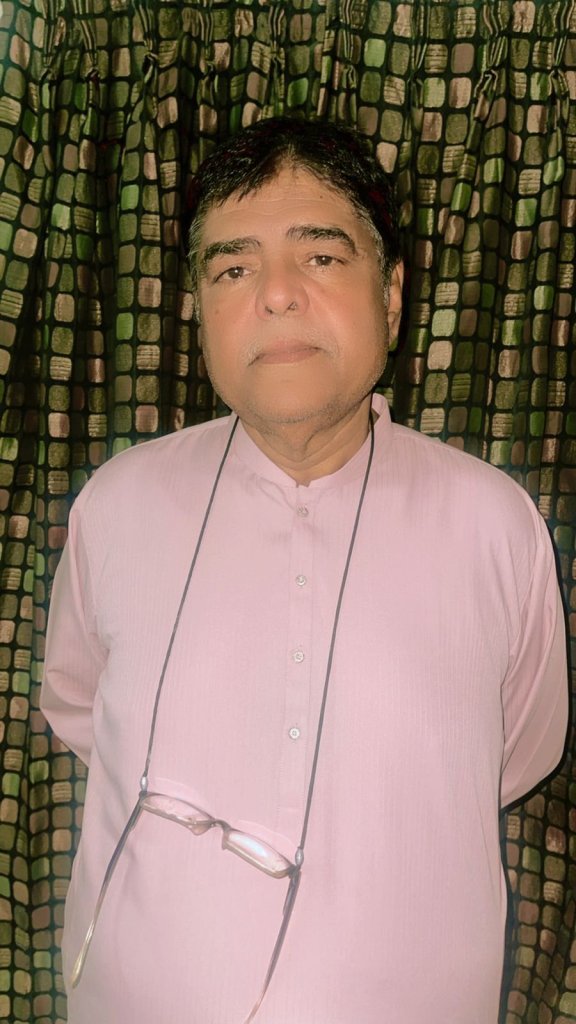
تحریرمسعود حسین جعفری 

عبادت گاہوں اور مذہبی کتابوں کو جلانے کا عمل ایک انتہائی تکلیف دہ اور تباہ کن عمل ہے جس میں ایک مخصوص مذہبی اقلیت کے خلاف جان بوجھ کر تشدد اور نفرت شامل ہے۔ یہ نوٹ کرنا ضروری ہے کہ ایسی حرکتیں نہ صرف اخلاقی طور پر قابل مذمت ہیں بلکہ بہت سے دائرہ اختیار میں غیر قانونی بھی ہیں۔

بدقسمتی سے پوری تاریخ میں دنیا کے مختلف حصوں میں عبادت گاہوں اور مذہبی کتابوں پر ٹارگٹ حملوں کے واقعات رونما ہوتے رہے ہیں۔ اس عمل میں عام طور پر ایسے افراد یا گروہوں کی طرف سے جان بوجھ کر آتشزنی کا عمل شامل ہوتا ہے جو انتہائی نظریات رکھتے ہیں یا گہرے تعصبات کو پناہ دیتے ہیں۔ یہ مجرم خاص طور پر مذہبی اقلیتوں کو خوف پھیلانے، نفرت کو بھڑکانے، یا کسی خاص عقیدے یا برادری پر غلبہ حاصل کرنے کی نیت سے نشانہ بنا سکتے ہیں۔

بائبل جیسی مذہبی کتابوں کو جلانے کا عمل خاص طور پر ایک علامتی اور تکلیف دہ عمل ہے۔ یہ ایک مقدس متن اور اس عقیدے کی پیروی کرنے والوں کے عقائد پر براہ راست حملہ کی نشاندہی کرتا ہے۔ اس عمل میں عام طور پر ان عبارتوں کو اکٹھا کرنا اور انہیں آگ لگانا شامل ہوتا ہے، اکثر عوامی یا انتہائی نظر آنے والے علاقوں میں، توجہ مبذول کرانا اور ہدف شدہ کمیونٹی پر زیادہ سے زیادہ اثر ڈالنا۔

اس طرح کی کارروائیوں کے جواب میں، ان المناک واقعات سے متاثر ہونے والی کمیونٹیز اکثر تشدد کی مذمت، انصاف کی تلاش اور مصیبت کے وقت ایک دوسرے کا ساتھ دینے کے لیے اکٹھے ہوتے ہیں۔ قانون نافذ کرنے والے ادارے اور گورننگ باڈیز ان واقعات کی تحقیقات، قصورواروں کو پکڑنے، اور ذمہ داروں کو قانون کے تحت جوابدہ ٹھہرانے کو یقینی بنانے میں اہم کردار ادا کرتے ہیں۔

معاشروں کے لیے یہ ضروری ہے کہ وہ تشدد کی ایسی کارروائیوں کو روکنے کے لیے رواداری، افہام و تفہیم اور مذہبی تنوع کے احترام کو فروغ دیں۔ مکالمے کو فروغ دینے، افراد کو مختلف مذاہب کے بارے میں تعلیم دینے، اور ایسے جامع معاشروں کو فروغ دینے کی کوشش کی جانی چاہیے جہاں عبادت اور عقیدے کی آزادی کا تحفظ اور جشن منایا جائے۔

The matter of extremism

By Masood Hussain Jaffri

The process of burning places of worship and religious texts is a deeply distressing and destructive act that involves intentional violence and hatred towards a specific religious minority. It is important to note that such actions are not only morally reprehensible but also illegal in many jurisdictions.

Unfortunately, throughout history, instances of targeted attacks on places of worship and religious texts have occurred in different parts of the world. The process typically involves a deliberate act of arson by individuals or groups who hold extreme ideologies or harbor deep-seated prejudices. These perpetrators may specifically target religious minorities with the intention of spreading fear, inciting hatred, or asserting dominance over a particular faith or community.

The act of burning religious texts, such as the Bible, is a particularly symbolic and hurtful action. It signifies a direct assault on a sacred text and the beliefs of those who follow that faith. The process typically involves gathering these texts and setting them on fire, often in public or highly visible areas, to attract attention and maximize the impact on the targeted community.

In response to such acts, communities affected by these tragic events often rally together to condemn the violence, seek justice, and support one another in times of distress. Law enforcement agencies and governing bodies play a crucial role in investigating these incidents, apprehending the perpetrators, and ensuring that those responsible are held accountable under the law.

It is important for societies to promote tolerance, understanding, and respect for religious diversity to prevent such acts of violence. Efforts should be made to foster dialogue, educate individuals about different religions, and promote inclusive societies where freedom of worship and belief are protected and celebrated.

Palace conspiracies have reached a peak


By: Masood Hussain Jaffri

Palace conspiracies, or conspiracies that occur within the President’s House, can occur in various ways and are typically characterized by secretive and subversive actions aimed at undermining the existing power structures. While every situation is unique, here are some common elements and mechanisms involved in palace conspiracies:

1. Motivation: Palace conspiracies often arise from a combination of personal ambition, political rivalries, ideological differences, and dissent against the current leadership. Those seeking to conspire may be dissatisfied with the president’s policies, seeking to gain power for themselves, or simply wanting to influence decision-making.

2. Covert alliances: Conspirators form alliances with like-minded individuals who share their goals or grievances, often within the President’s House itself. These alliances can span across various levels of the executive branch, including high-ranking officials, advisors, and even members of the president’s family.

3. Secrecy and discretion: Maintaining secrecy is crucial to the success of a palace conspiracy. Conspirators communicate through covert means, such as encrypted messages, private meetings, or intermediaries, to avoid detection. They must also exhibit discreet behavior to prevent arousing suspicion from colleagues or the president’s loyalists.

4. Manipulation and influence: Successful palace conspiracies involve manipulating or influencing key decision-makers and power-brokers within the President’s House. This could include manipulating the president’s close advisors, convincing influential individuals to switch allegiances, or exploiting existing divisions within the administration.

5. Gathering intelligence: Conspirators often engage in extensive information-gathering efforts to gain an advantage. They may utilize their positions to access classified or sensitive information, monitor the president’s actions and vulnerabilities, or infiltrate inner circles to uncover potential weaknesses.

6. Timing and execution: Palace conspiracies require careful planning and precise timing. Conspirators must strike at a strategic moment, such as during a crisis or when the president’s popularity is dwindling. Coordinated actions, such as public scandals, leaking damaging information, or orchestrating internal power shifts, are often employed to destabilize the current administration.

7. Concealment of intentions: Conspirators strive to maintain a facade of loyalty while plotting against the leadership. This involves maintaining a dual identity, displaying public support for the president while privately undermining them. It requires a delicate balance to avoid attracting suspicion or scrutiny.

It is important to note that palace conspiracies can jeopardize political stability and the functioning of democratic systems. While such conspiracies do occur historically, their impact and success vary greatly, and they are often met with countermeasures aimed at upholding the integrity of the presidency and the rule of law.

The law regarding arrests


By: Masood Hussain Jaffri

The law regarding arrests in false cases varies from country to country, but I can provide you with a general overview. In many legal systems, making a false accusation or filing a false case is considered a serious offense and can lead to legal consequences for the accuser. Here are some key points to consider:

1. False Reporting: Filing a false case or making false statements to law enforcement authorities is typically a criminal offense. It is important for individuals to be truthful and provide accurate information when reporting a crime or filing a complaint.

2. Malicious Prosecution: Malicious prosecution refers to wrongfully initiating or continuing a criminal case against someone without probable cause. In such cases, the accused person may have legal remedies available, such as filing a claim for damages against the party responsible for the false case.

3. Defamation: If the false case involves making derogatory or damaging statements about someone’s character or reputation, the accused individual may also have the option to pursue a defamation claim against the person making the false accusation.

4. Statutory Protections: Some jurisdictions have specific laws or provisions that protect individuals from false arrests or false cases. These laws may provide for compensation or relief when someone has been wrongfully accused or detained.

5. Legal Remedies: When someone is falsely arrested or accused, they may seek legal remedies through the judicial system. This can involve engaging an attorney to defend their rights, challenge the validity of the case, and potentially seek compensation for any harm or damages caused.

Military wing of political and religious parties.

Political and religious parties may have military wings for several reasons. Firstly, they may aim to protect and promote their own interests and ideologies. Having a military wing allows them to defend their members, assets, and territories, and to project power and influence.

Secondly, a military wing can be used to enforce control within the party itself. It can help maintain discipline and allegiance among members, ensuring loyalty and deterring dissent. This internal cohesion can be crucial for the stability and longevity of the party.

Furthermore, having a military wing can provide leverage in negotiations and conflicts with other parties or entities. It can be seen as a deterrent or a means of exerting pressure, strengthening the party’s bargaining position.

However, it is important to note that the presence of military wings within political and religious parties can also raise concerns. Depending on the actions and intentions of these wings, they may contribute to violence, instability, or authoritarianism. Therefore, it is essential to carefully consider the implications and consequences of such militarization.

What is dictatorship and how does it cause harm?

By: Masood Hussain Jaffri

Dictatorship is a form of governance characterized by centralized power, where a single individual or a small group holds absolute authority without the consent or input of the governed. This unchecked concentration of power often leads to numerous harmful consequences.

Firstly, under a dictatorship, fundamental human rights and civil liberties are often violated as the ruling entity suppresses dissent, curtails freedom of speech, restricts press freedom, and suppresses political opposition. This not only infringes upon the inherent rights of individuals but also stifles the growth of a pluralistic society.

Secondly, dictatorships can breed corruption and nepotism. Without proper checks and balances, those in power can exploit their authority for personal gain, leading to unjust accumulation of wealth and resources. This undermines social and economic equality, perpetuating a system of privilege and marginalization.

Moreover, dictatorships tend to disregard the rule of law, as the ruling entity manipulates or controls the judiciary to suit their interests. This erodes public trust in the legal system, undermines the concept of justice, and allows for the arbitrary exercise of power.

Furthermore, dictatorships often neglect the socio-economic welfare of the population. With limited accountability and transparency, leaders in such systems can prioritize their own interests over the needs of the people, resulting in mismanagement, economic stagnation, and a lack of social progress.

Lastly, the absence of peaceful political transitions exacerbates the harm caused by dictatorships. By preventing fair elections or suppressing alternative voices, the ruling entity denies citizens the ability to participate in shaping their own governance. This perpetuates a cycle of oppression, stifles democratic development, and denies the population the right to choose their leaders freely.

In conclusion, dictatorship poses significant harm to society, violating fundamental rights, fostering corruption, undermining the rule of law, neglecting socio-economic development, and impeding democratic progress. It is imperative to recognize and work towards promoting democratic principles and institutions that safeguard individual freedoms and collective well-being.

شیعہ سنی مل کر دہشتگردوں کی ہر سازش کو ناکام بنائیں گے ڈاکٹر سلیم حیدر (چیئرمین مہاجر اتحاد تحریک)

ڈاکٹر سلیم حیدر

شیعہ سنی مل کر دہشتگردوں کی ہر سازش کو ناکام بنائیں گے:ڈاکٹرسلیم حیدر
اسلام دشمن ملک کو نقصان پہنچانا چاہتے ہیں،سانحہ کربلا باطل قوتوں کے آگے نہ جھکنے کا درس دیتا ہے
شیعہ اور سنی آپس میں رواداری، محبت کا مظاہرہ کرتے ہوئے دشمنوں کی ہر سازش ناکام بنادیں

بکراچی(آئ۔این۔این+پریس ریلیز)مہاجر اتحاد تحریک کے چیئرمین ڈاکٹر سلیم حیدر نے کہا ہے کہ شیعہ سنی اتحاد وقت کی ضرورت ہے ۔ محرم الحرام میں امن وامان برقرار رکھنے کیلئے شیعہ اور سنیوں کو رواداری ، محبت اور بھائی چارے کا عملی مظاہرہ کرنا ہوگا ۔ برسہا بر سے اسلام دشمن اور ملک دشمن قوتیں شیعہ سنیوں کو لڑوا کر پاکستان کو غیر مستحکم کرنا چاہتی ہیں لیکن روز اول سے شیعہ اور سنیوں کے درمیان کوئی اختلاف نہیں ہے اور یہ دونوں فرقے باہمی محبت کے ساتھ رہتے ہیں۔ انہوں نے کہاکہ محرم الحرام کے ان ایام میں ایک دوسرے کو برداشت کرنے کے علاوہ یہ کوشش کی جانی چاہئے کہ کوئی ایسا عمل نہ کریں جس سے کسی کی بھی دل آزاری ہو اور چھوٹی سی چنگاری شعلے کی شکل اختیار کرے۔ انہوں نے کہاکہ کئی سالوں سے اسلام دشمن عناصر شیعہ اور سنیوں کو لڑوا کر اپنے مذموم مقاصد حاصل کرنا چاہتے ہیں جن کا نہ تو کوئی مذہب سے تعلق ہے اور نہ ہی وہ انسان کہلانے کے لائق ہیں۔ انہوں نے کہاکہ اب وقت آگیا ہے کہ باہمی اختلافات بھلا کر ایک دوسرے کے ساتھ اچھا رویہ اور برتاؤ اختیار کیا جائے جس سے ملک دشمن عناصر کی حوصلہ شکنی ہو کیونکہ حضرت امام حسین  نے جس طرح کربلا میں باطل قوتوں کے سامنے جھکنے سے انکار کیا اور جانوں کے نذرانے پیش کئے اس سے ہمیں یہ درس ملتا ہے کہ باطل قوتوں کو مٹ جانا ہے ، ہمیشہ حق اور سچ ہی غالب رہے گا۔ اس لئے خاص طورپر مہاجروں کو سیسہ پلائی دیوار بننا ہوگا۔

جناب بی بی زینب سلام اللہ علیہا کے حرم ہر حملے کی شدید مذمت کرتے ہیں ڈاکٹر سلیم حیدر

کراچی(پ ر) مہاجر اتحاد تحریک اور مہاجر

صوبہ ہماری منزل تحریک کے بانی و چیئرمین ڈاکٹر سلیم حیدر نے نے دمشق شام میں بی بی زینب کے حرم کے قریب بم دھماکوں پر انتہائی افسوس کا اظہار کیا ہے۔ انہوں نے بم دھماکوں میں شہید ہونے والے افراد کے بلند درجات اور زخمیوں کی جلد صحتیابی کیلئے دعا بھی کی۔ ڈاکٹر سلیم حیدر نے کہا ںشیعہ سنی اتحاد وقت کی اہم ضرورت ہے۔ محرم الحرام میں امن وامان برقرار رکھنے کیلئے اہل تشیع عوام، اکابرین، علماء کرام اور اہل سنت اکابرین، علماء کرام اور اہل سنت عوام نے رواداری، محبت اور بھائی چارے کا عملی مظاہرہ کرتے ہوئے ایک اہم مذہبی فریضے کی بخیر و عافیت انجام دہی میں اپنا اپنا کردار بخیر و خوبی نبھایا۔ ڈاکٹر سلیم حیدر نے کہا کہ برسہا برس سے اسلام دشمن اور ملک دشمن قوتیں شیعہ سنیوں کو آپس میں لڑوا کر پاکستان کو غیر مستحکم کرناچاہتی ہیں لیکن سب جانتے اور مانتے ہیں کہ روز اول سے شیعہ اور سنیوں کے درمیان کوئی اختلاف نہیں ہے اور یہ دونوں باہمی محبت و احترام کے ساتھ مل جل کر رہتے ہیں۔ انہوں نے کہا کہ محرم الحرام کے ایام کے علاؤہ بھی ایک دوسرے کو برداشت کرنے کی کوشش کی جانی چاہئے۔ مہاجر صوبہ ہماری منزل تحریک کے بانی و چیئرمین نے کہا کہ شیعہ اور سنی حضرات کبھی بھی کوئی ایسا عمل نہ کریں جس سے کسی کی دل آزاری ہو اور چھوٹی سی چنگاری کو ملک دشمن قوتیں ہوا دے کر شعلے میں تبدیل کردیں۔ انہوں نے کہاکہ کئی سالوں سے اسلام دشمن عناصر شیعہ اور سنیوں کو لڑوا کر اپنے مذموم مقاصد حاصل کرنا چاہتے ہیں جن کا نہ تو کسی مذہب سے تعلق ہے اور نہ ہی وہ انسان کہلانے کے لائق ہیں۔ انہوں نے کہا کہ اب وقت آگیا ہے کہ باہمی اختلافات بھلا کر ایک دوسرے کے ساتھ اچھا رویہ اور برتاؤ اختیار کیا جائے جس سے مہاجر صوبہ ہماری منزل تحریک کامیابی سے ہمکنار ہوسکے اور ملک دشمن عناصر کی حوصلہ شکنی ہوسکے۔ ڈاکٹر سلیم حیدر نے کہا کہ حضرت امام حسین نے جس طرح کربلا میں باطل قوتوں کے سامنے جھکنے سے انکار کیا اور جانوں کے نذرانے پیش کئے اس سے ہمیں یہ درس ملتا ہے کہ باطل قوتوں کو مٹ جانا ہے، ہمیشہ حق اور سچ ہی غالب رہے گا۔ اس لئے خاص طور پر اپنے جائز حقوق کے لیے مہاجروں کو سیسہ پلائی دیوار 

بننا ہوگا۔

نگران حکومت کی زمہ داریاں

کراچی (وائس آف نیشن)

(تحریر ؛ مسعود حسین جعفری 

 نگران حکومت عارضی طور پر اقتدار اور ذمہ داری سنبھالتی ہے جب موجودہ حکومت اپنی مدت پوری کر لیتی ہے یا مخصوص حالات جیسے انتخابات، سیاسی منتقلی، یا ہنگامی حالات کی وجہ سے مؤثر طریقے سے کام کرنے سے قاصر ہوتی ہے۔  اس مدت کے دوران، نگران حکومت استحکام کو یقینی بنانے اور اقتدار کی ہموار منتقلی کو آسان بنانے کے لیے ضروری کام انجام دیتی ہے۔

 نگران حکومت کی بنیادی ذمہ داریاں درج ذیل ہیں:

 1. انتخابات کا انعقاد: نگران حکومت کے اہم کاموں میں سے ایک انتخابی عمل کی غیر جانبداری سے نگرانی کرنا اور آزادانہ اور منصفانہ انتخابات کو یقینی بنانا ہے۔  اسے یقینی بنانا چاہیے کہ تمام ضروری انتظامات موجود ہیں، ووٹر رجسٹریشن درست ہے، اور انتخابی قوانین پر سختی سے عمل کیا جاتا ہے۔  اس ذمہ داری کا مقصد انتخابی عمل کی قانونی حیثیت اور شفافیت کو یقینی بنانا ہے۔

 2. امن و امان برقرار رکھنا: نگران حکومت کا ایک اور اہم فرض ملک کے اندر امن و امان برقرار رکھنا ہے۔  اسے یقینی بنانا چاہیے کہ عوامی تحفظ اور سلامتی کو برقرار رکھا جائے، اور کسی بھی ممکنہ خطرات یا خلل کو مؤثر طریقے سے حل کیا جائے۔  یہ ذمہ داری انتخابی عمل کے لیے سازگار ماحول فراہم کرنے اور شہریوں کے حقوق کے تحفظ کے لیے بہت ضروری ہے۔

 3. حکومتی امور کا نظم و نسق: نگراں حکومت عبوری مرحلے کے دوران ضروری حکومتی امور کے جاری کام کو یقینی بنانے کے لیے عارضی انتظامی اختیارات سنبھالتی ہے۔  اس میں عوامی مالیات کا انتظام، عوامی خدمات، اور یومیہ حکمرانی شامل ہے۔  تاہم، اسے تحمل سے کام لینا چاہیے اور ایسے بڑے پالیسی فیصلے کرنے سے گریز کرنا چاہیے جو مستقبل کی منتخب حکومت کے مینڈیٹ کو متاثر کر سکتے ہیں۔

 4. بغیر کسی رکاوٹ کے منتقلی کی سہولت: ایک نگران حکومت آنے والی حکومت کے لیے سہولت کار کے طور پر کام کرتی ہے، اقتدار کی بغیر کسی رکاوٹ کے منتقلی کو یقینی بناتی ہے۔  یہ آنے والی انتظامیہ کے ساتھ ہم آہنگی کرتا ہے، ضروری معلومات فراہم کرتا ہے، ذمہ داریاں سونپنے میں مدد کرتا ہے، اور قومی اہمیت کے معاملات پر رہنمائی پیش کرتا ہے۔  اس ذمہ داری کا مقصد حکمرانی میں استحکام اور تسلسل کو فروغ دینا ہے۔

 5. ایک عوامی ٹرسٹی کے طور پر کام کرنا: ایک نگراں کے طور پر، حکومت اعتماد کی حیثیت رکھتی ہے اور اسے قوم کے بہترین مفاد میں کام کرنا چاہیے۔  اسے اپنے تمام فیصلوں اور اقدامات میں غیر جانبداری، شفافیت اور جوابدہی کا مظاہرہ کرنا چاہیے۔  یہ ذمہ داری عبوری عمل میں عوام کا اعتماد برقرار رکھنے میں مدد کرتی ہے اور اس بات کو یقینی بناتی ہے کہ نگران حکومت اپنے فرائض دیانتداری کے ساتھ ادا کرے۔

 آخر میں، ایک نگران حکومت اہم ذمہ داریاں سنبھالتی ہے جیسے کہ انتخابات کا انعقاد، امن و امان برقرار رکھنا، حکومتی امور کا نظم و نسق، بغیر کسی رکاوٹ کے منتقلی کی سہولت فراہم کرنا، اور عوامی ٹرسٹی کے طور پر کام کرنا۔  یہ افعال جمہوری اصولوں کو برقرار رکھنے، استحکام کے تحفظ اور کسی قوم کے اندر اقتدار کی ہموار منتقلی کو یقینی بنانے کے لیے اہم ہیں۔

What are the responsibilities of caretaker government?

By: Masood Hussain Jaffri (VON)

A caretaker government assumes power and responsibility temporarily when the incumbent government completes its term or is unable to function effectively due to specific circumstances such as elections, political transitions, or emergency situations. During this period, the caretaker government carries out essential functions to ensure stability and facilitate a smooth transition of power.

The primary responsibilities of a caretaker government are as follows:

1. Conducting Elections: One of the crucial tasks of a caretaker government is to oversee the electoral process impartially and ensure free and fair elections. It must ensure that all necessary arrangements are in place, voter registration is accurate, and electoral laws are strictly followed. This responsibility aims to guarantee the legitimacy and transparency of the electoral process.

2. Maintaining Law and Order: Another critical duty of a caretaker government is to maintain law and order within the country. It must ensure that public safety and security are upheld, and any potential threats or disturbances are effectively addressed. This responsibility is vital to provide a conducive environment for the electoral process and safeguard the rights of citizens.

3. Administering Government Affairs: The caretaker government assumes temporary administrative powers to ensure the continued functioning of essential government affairs during the transitional phase. This includes managing public finances, public services, and day-to-day governance. However, it should exercise restraint and refrain from making major policy decisions that could encroach upon the mandate of the future elected government.

4. Facilitating a Seamless Transition: A caretaker government acts as a facilitator for the incoming government, ensuring a seamless transition of power. It coordinates with the incoming administration, provides necessary information, assists in handing over responsibilities, and offers guidance on matters of national importance. This responsibility aims to promote stability and continuity in governance.

5. Acting as a Public Trustee: As a caretaker, the government holds a position of trust and must act in the best interests of the nation. It should demonstrate impartiality, transparency, and accountability in all its decisions and actions. This responsibility helps maintain public confidence in the transitional process and ensures that the caretaker government fulfills its duties with integrity.

In conclusion, a caretaker government assumes crucial responsibilities such as conducting elections, maintaining law and order, administering government affairs, facilitating a seamless transition, and acting as a public trustee. These functions are vital in upholding democratic principles, preserving stability, and ensuring a smooth transfer of power within a nation.